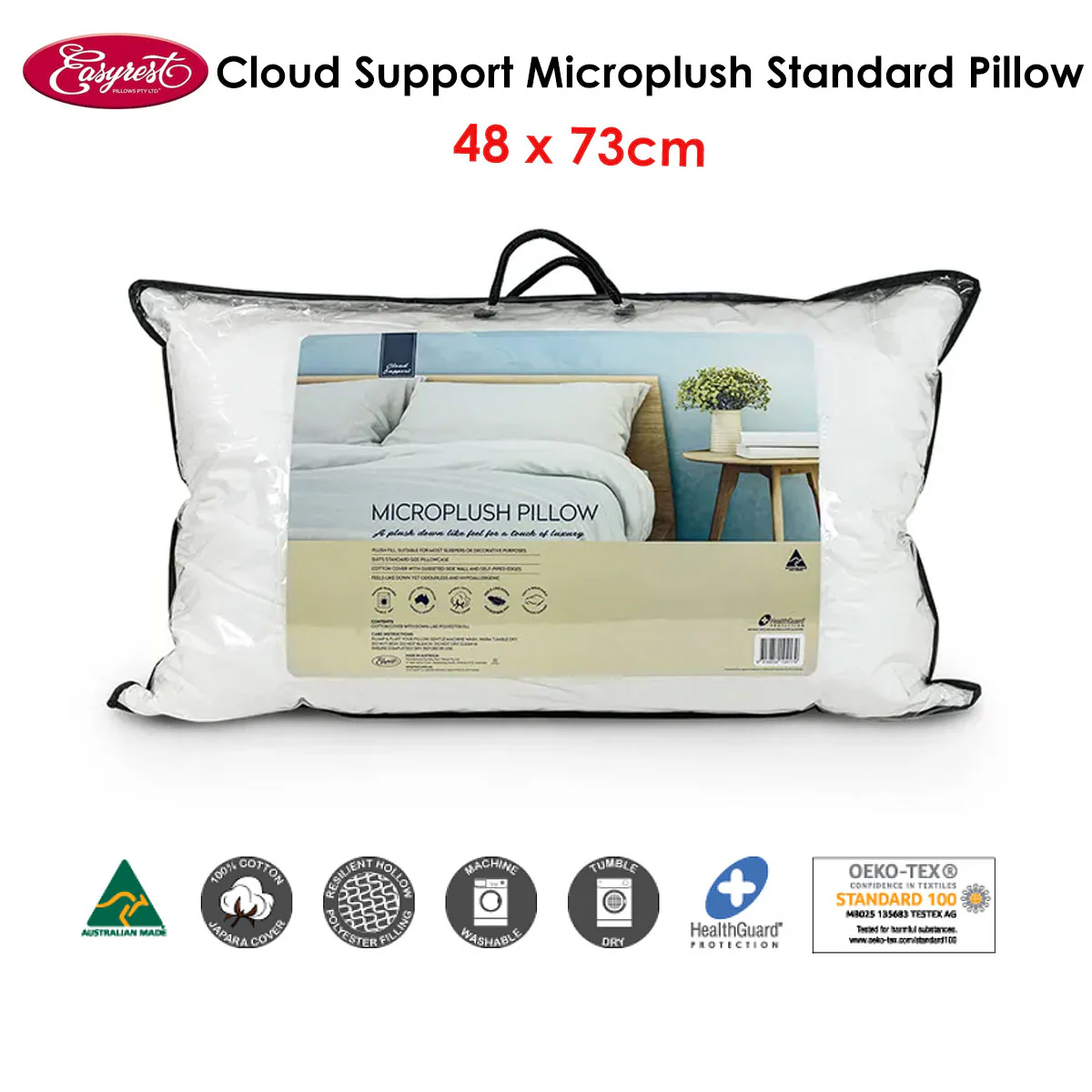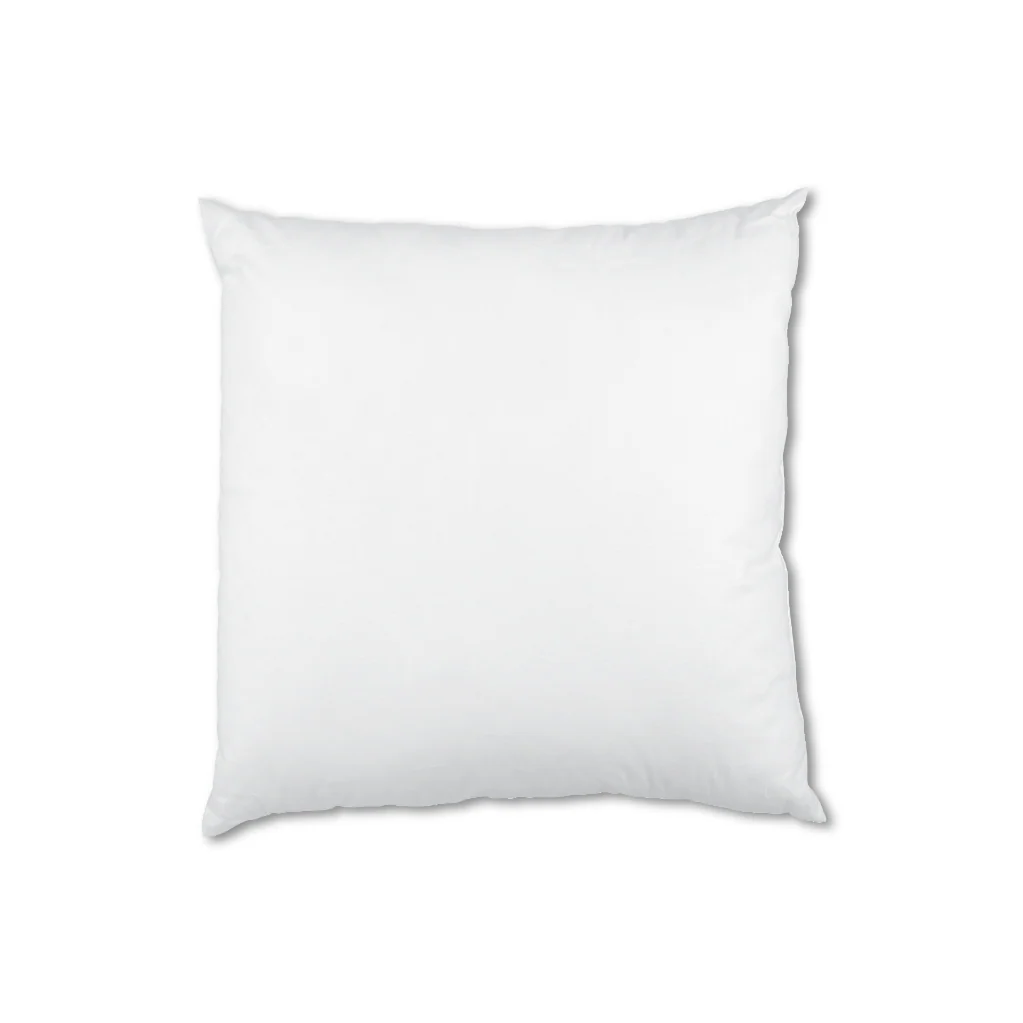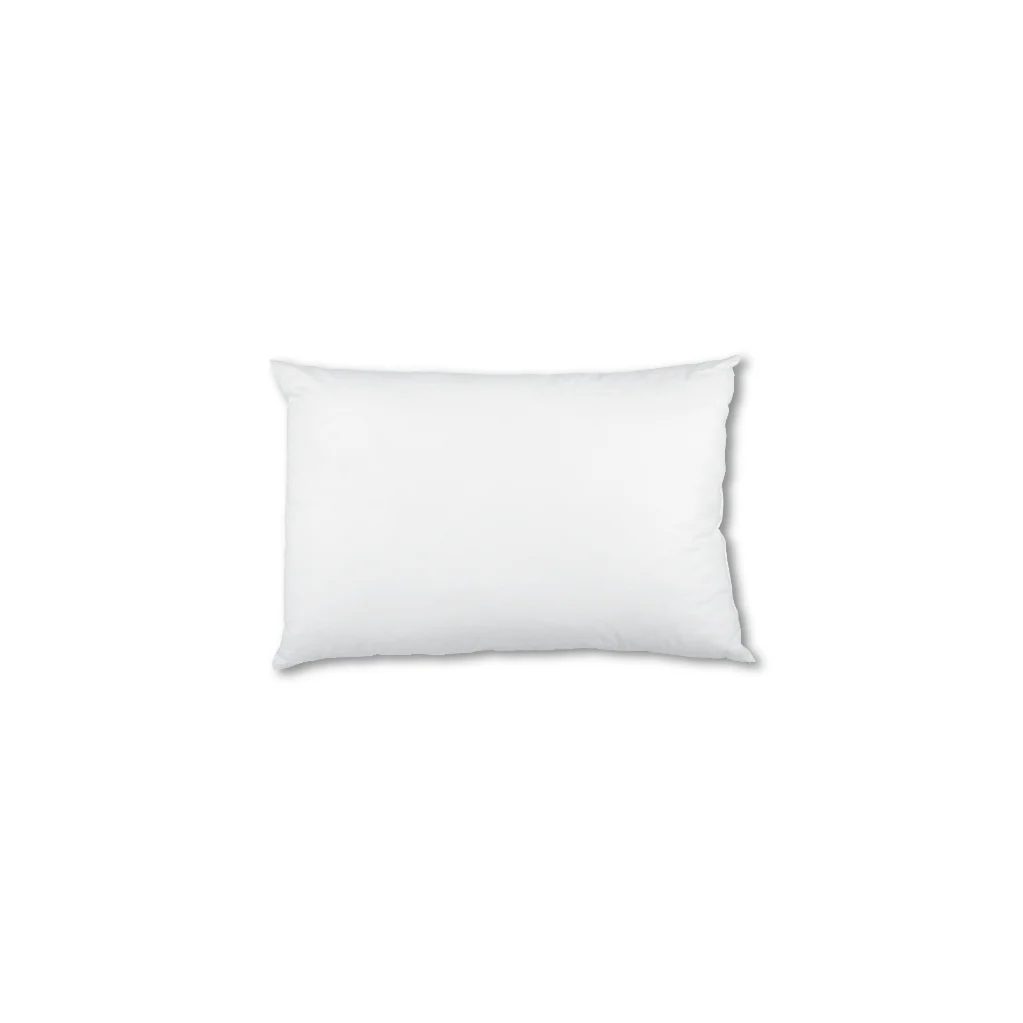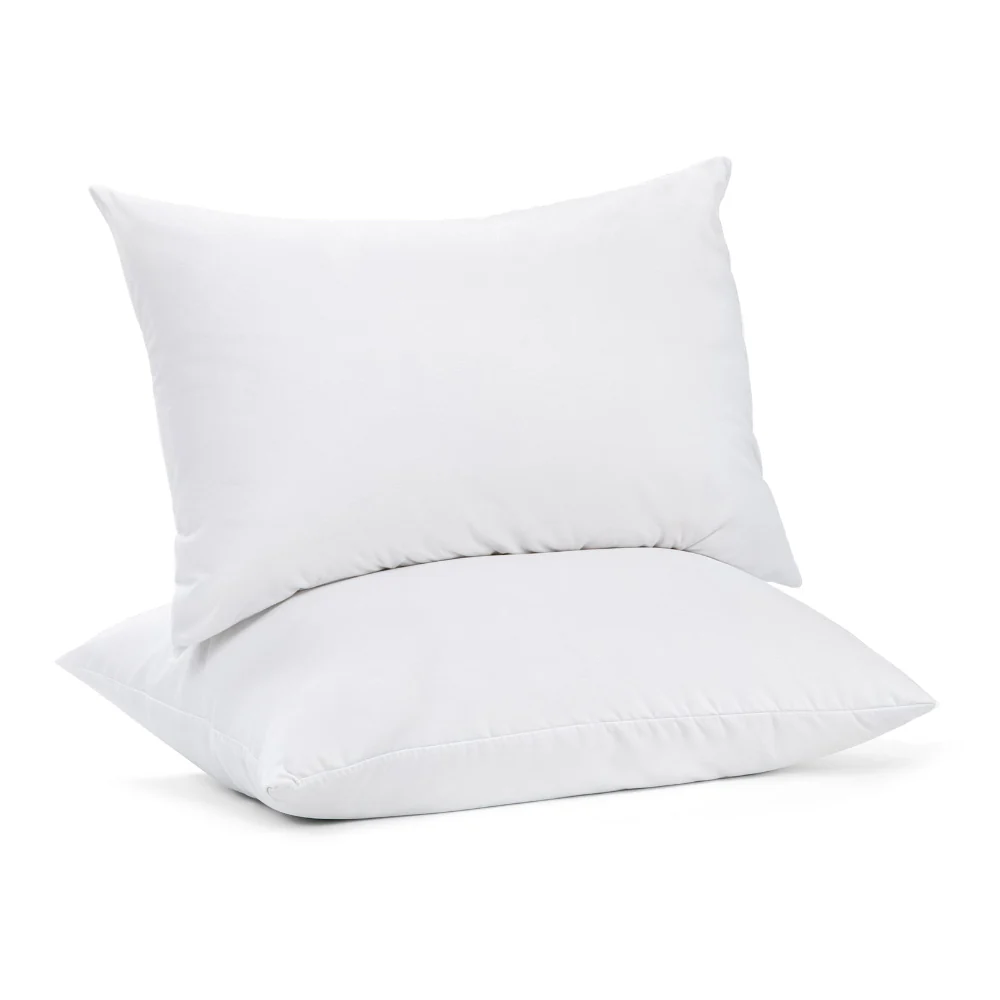
100% Cotton Pillow with 800g Microfibre Fill | 2 Pack
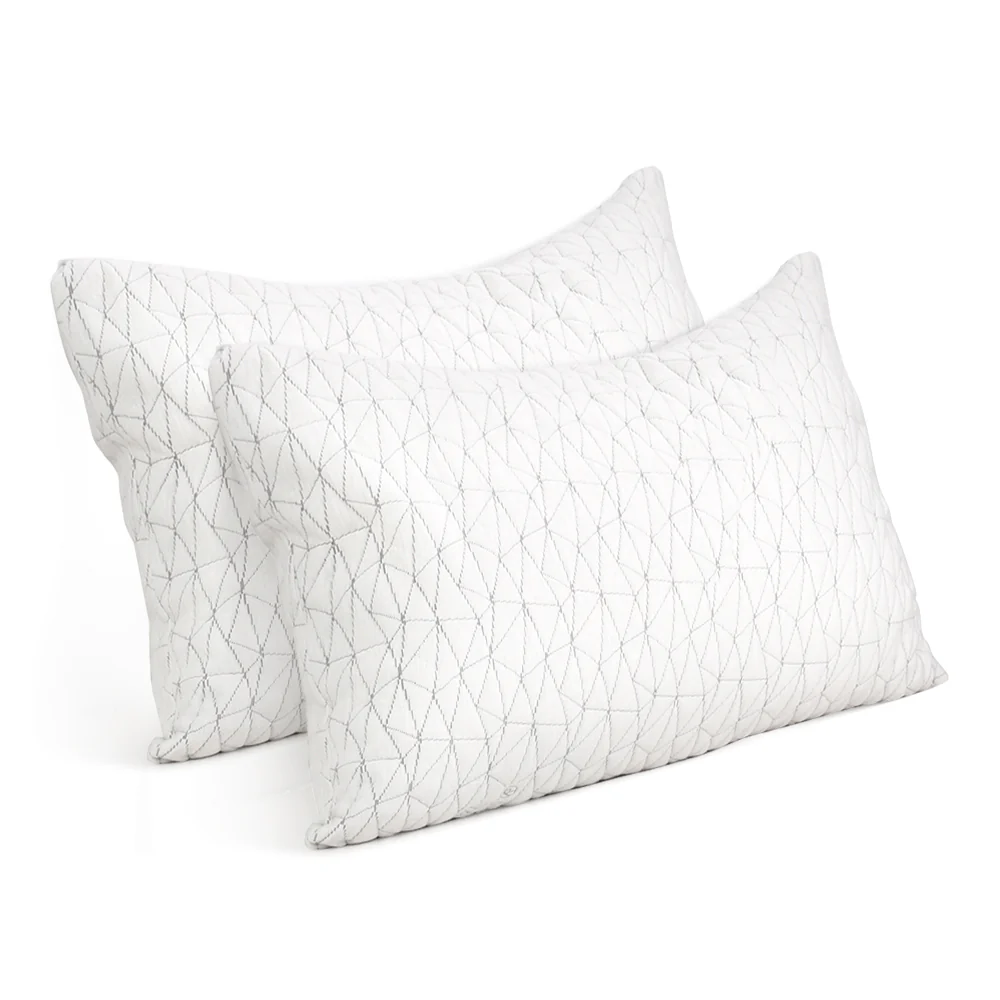
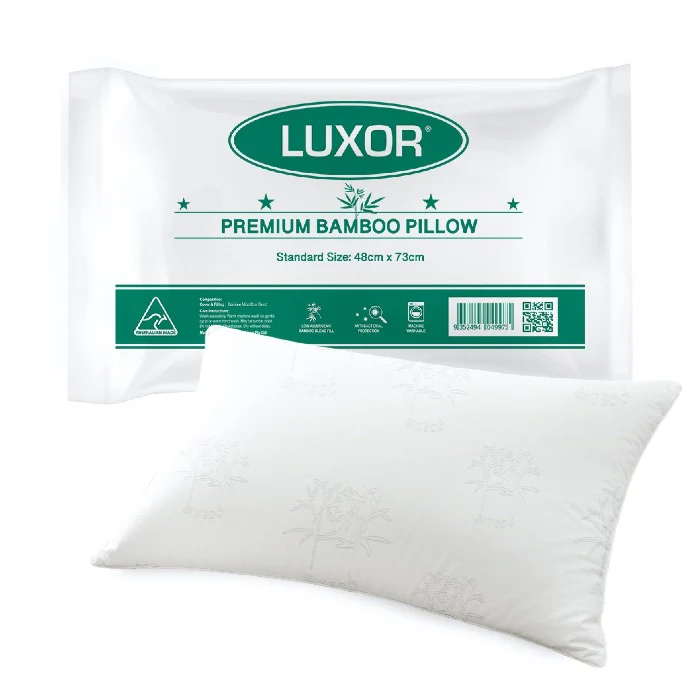
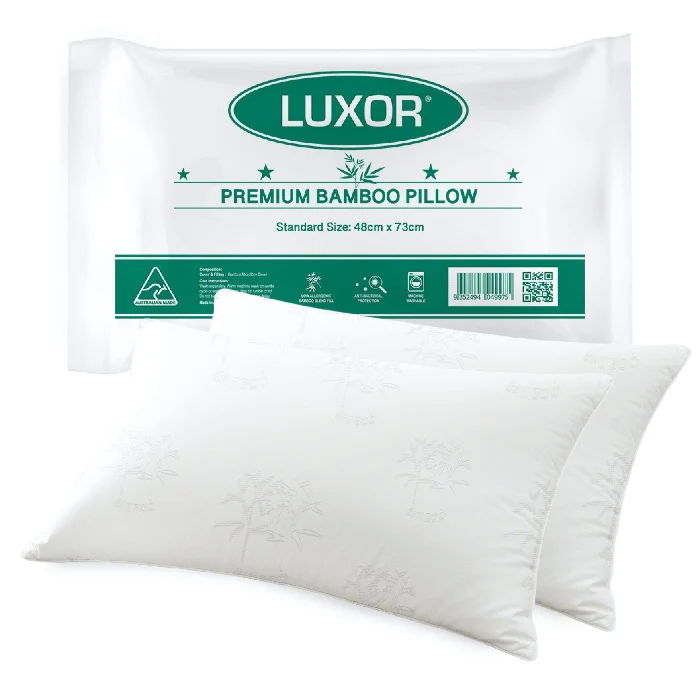
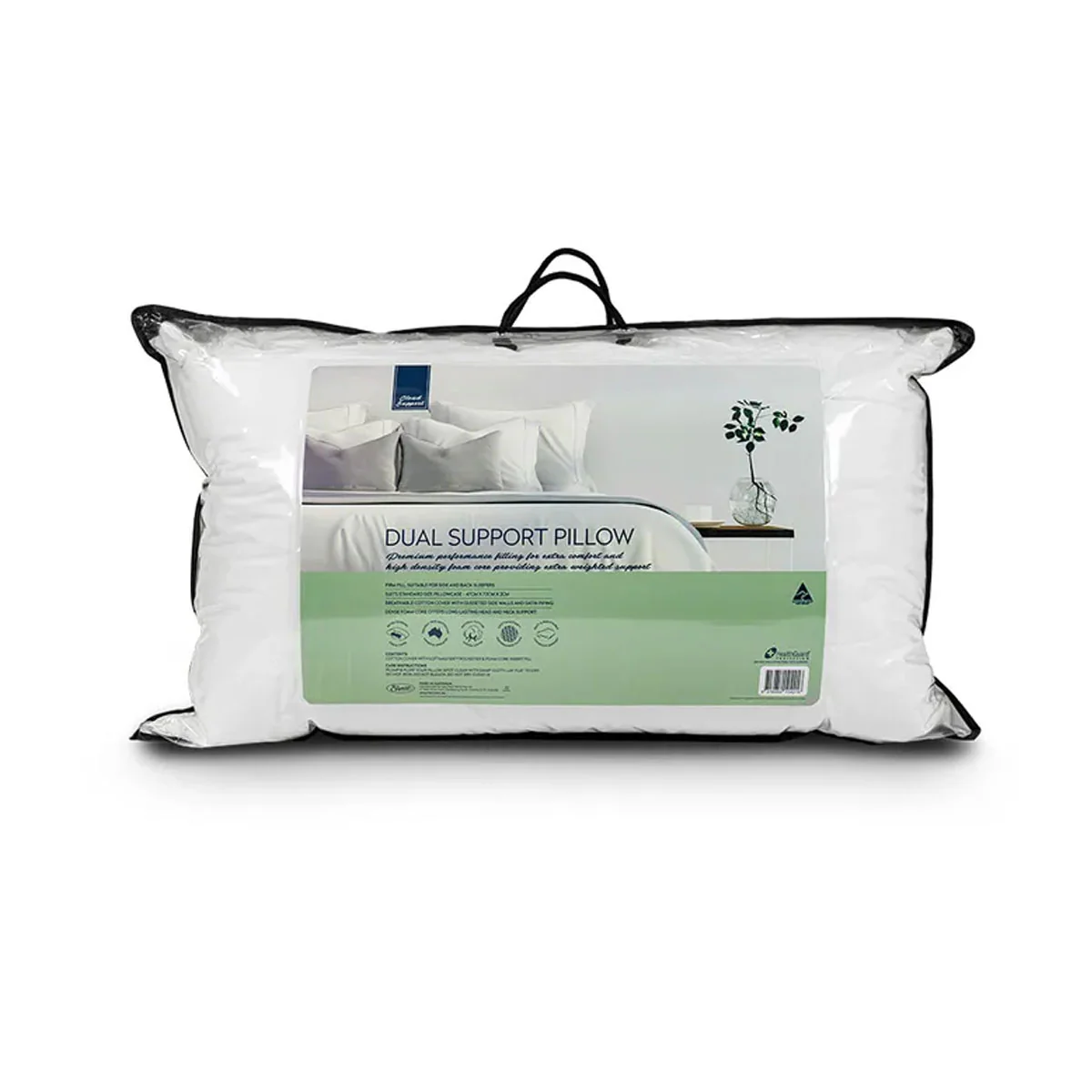
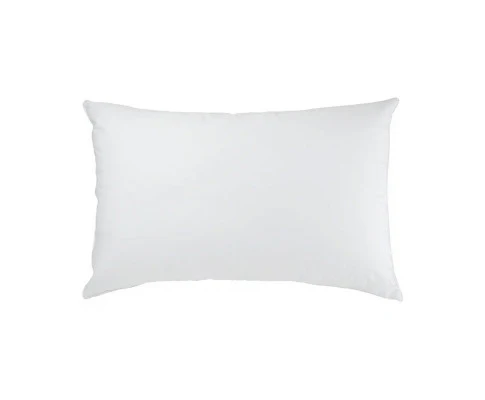
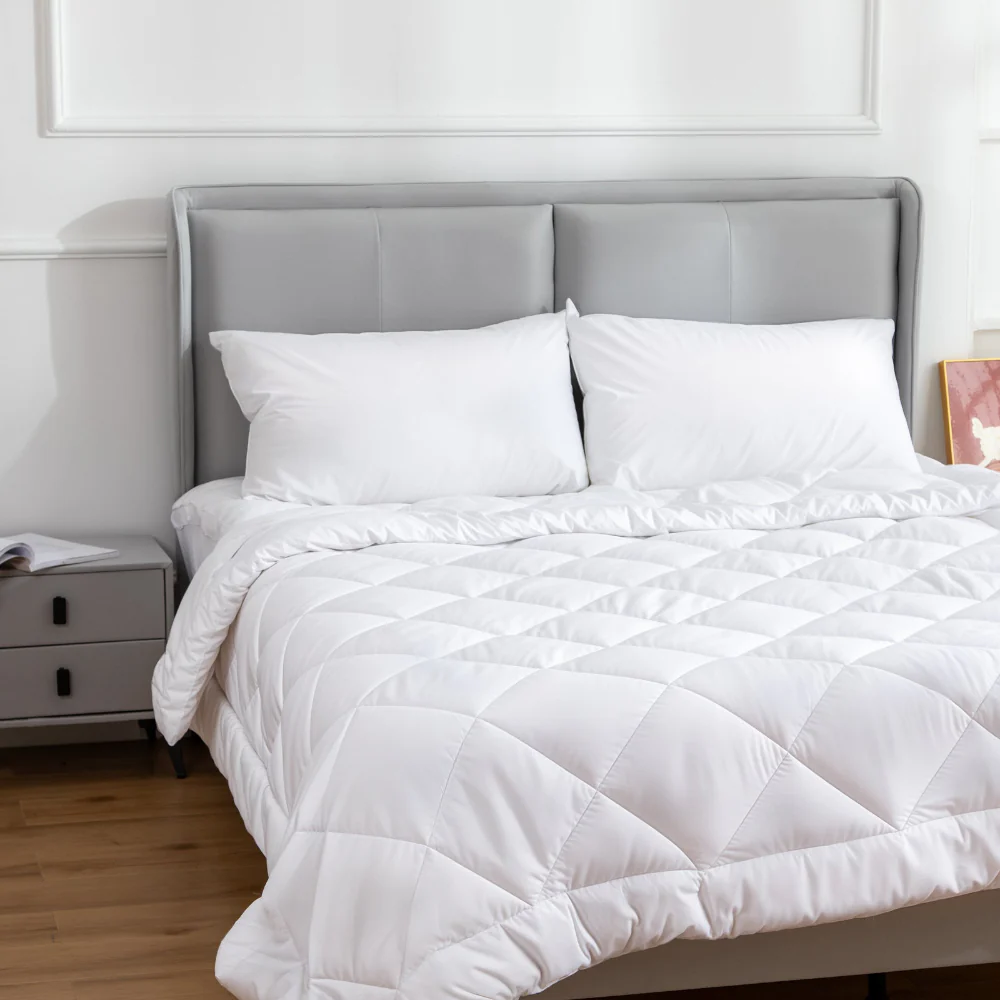
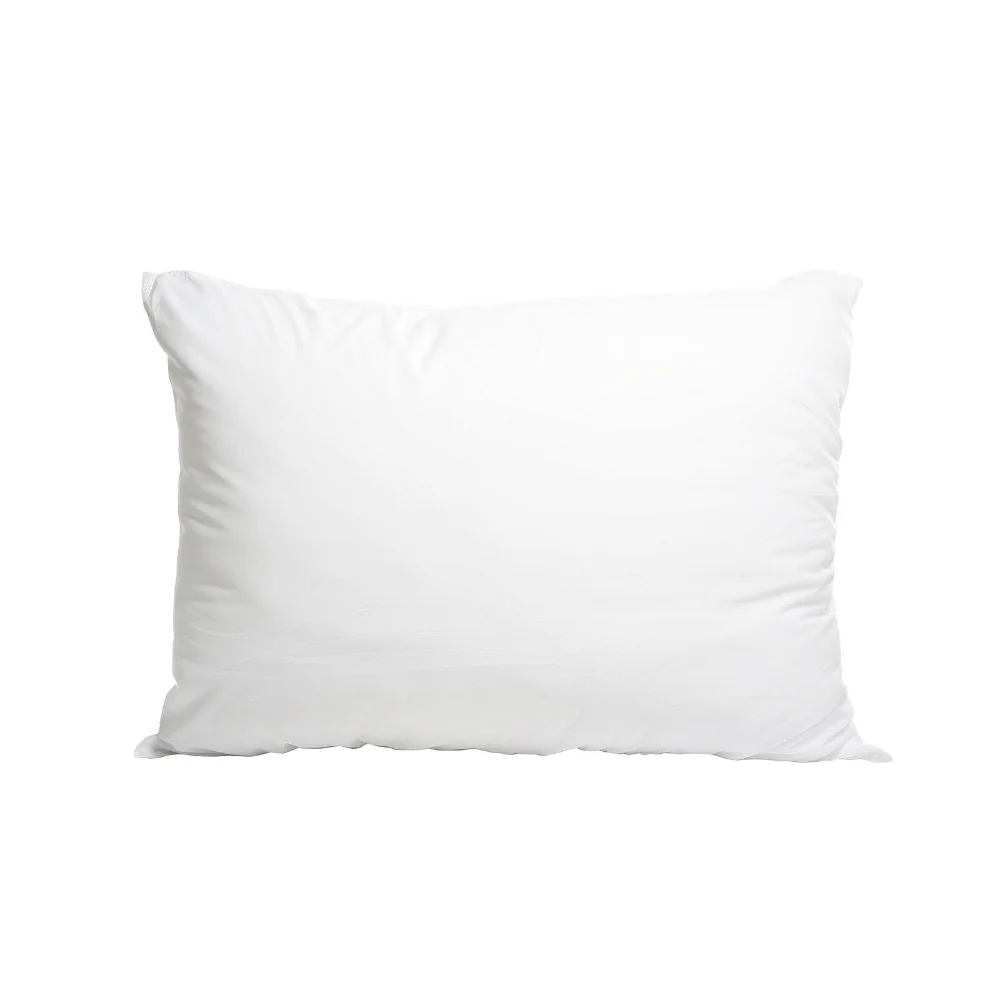
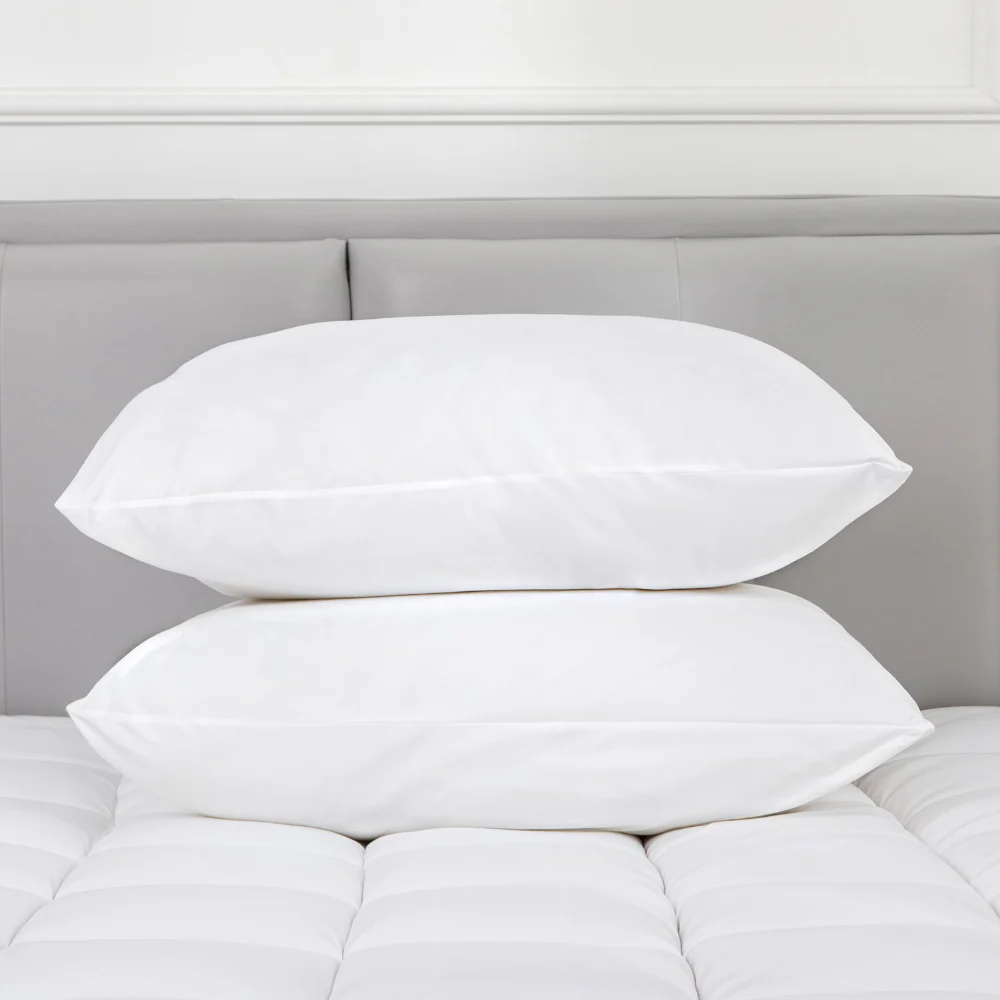
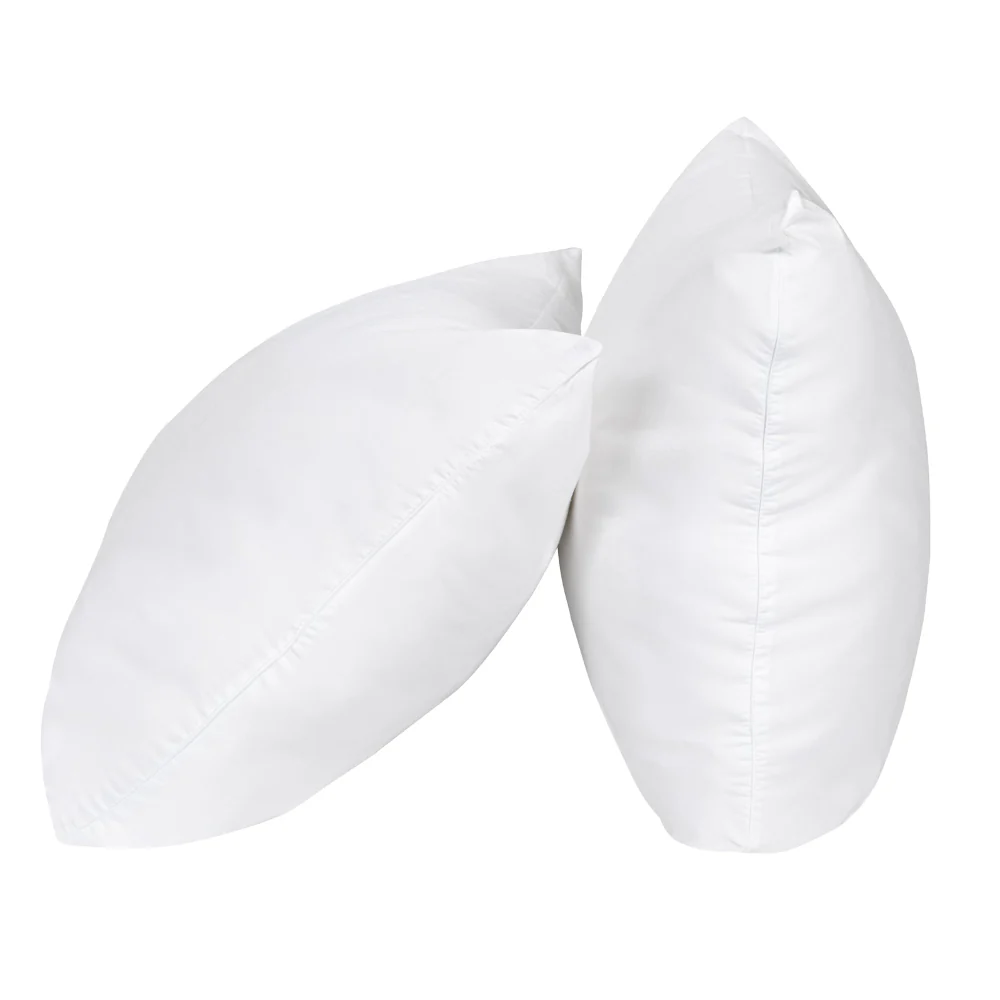
The Hacienda Cotton Pillow is a standard pillow with a 233 thread count 100% cotton cover and an 800g microfibre fill. Sold as a 2-pack.
Who it suits
A medium-feel pillow suited to most sleepers, with a soft cotton outer and a plump microfibre inner.
Features
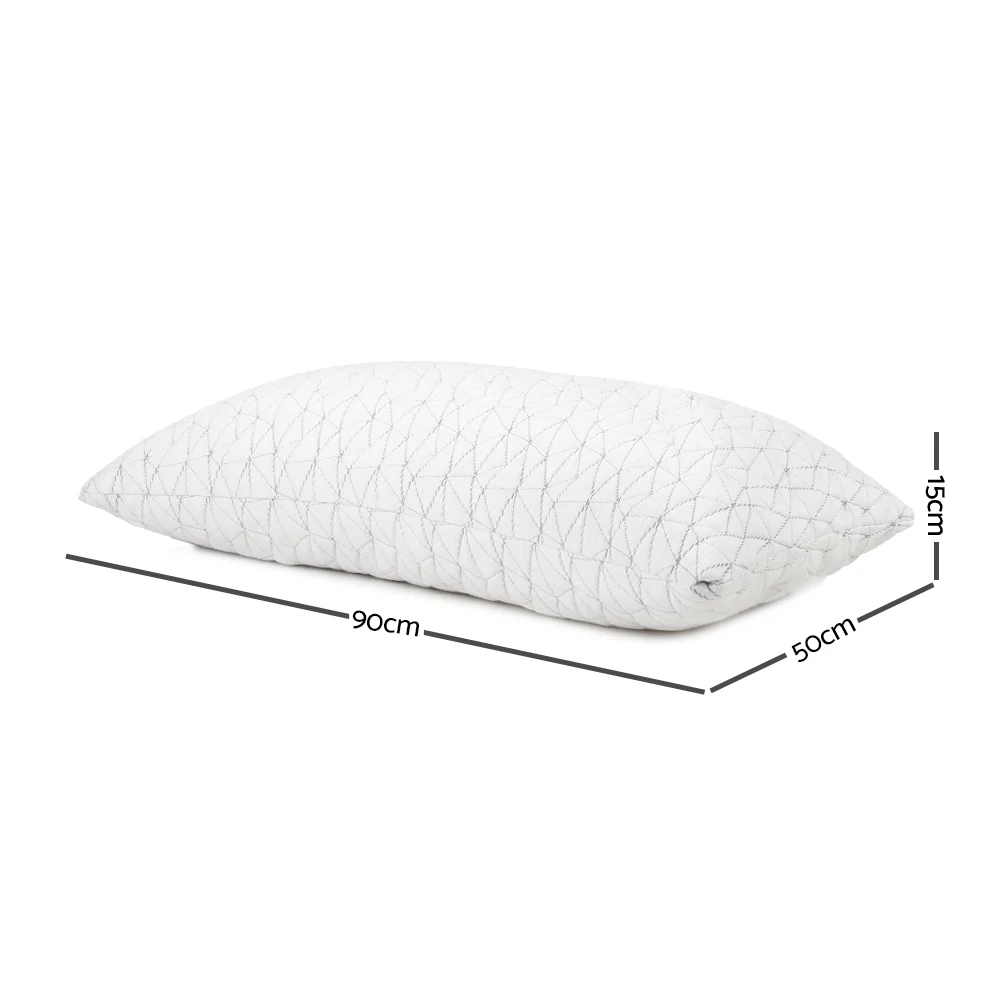
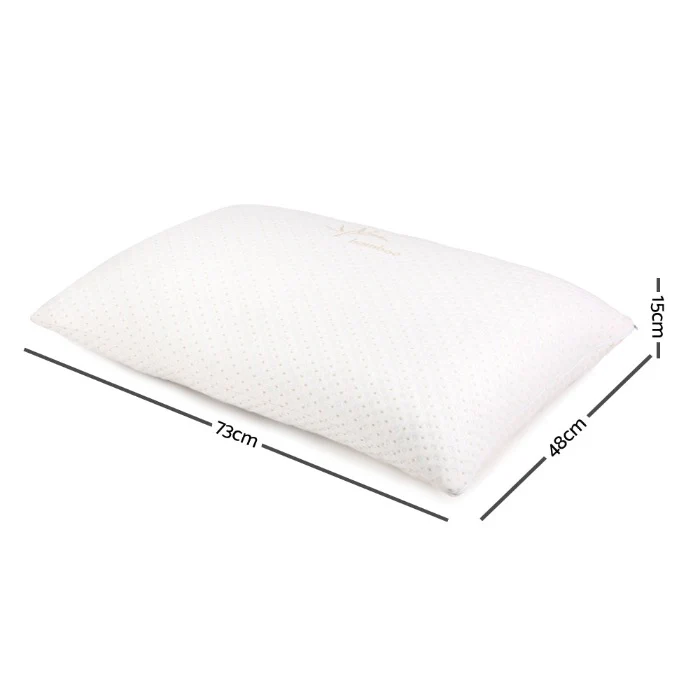
- Dimensions: 50 × 75 cm (standard size)
- Cover: 233 thread count, 100% cotton
- Fill: 800g microfibre
- Knife edge construction with overlock interior seams
- Sold as a 2-pack
- Fits standard pillowcases
Set includes
- 2 × standard pillows, 50 × 75 cm
Care
- Gentle cycle wash
- Tumble dry on low heat
- Do not bleach, dry-clean, soak, or iron
Frequently asked
What does "233 thread count" mean?
Thread count is the number of threads woven into a square inch of fabric. A higher count generally indicates a finer, more tightly woven cover; 233 is a common count for cotton pillow covers.
What does the research actually say about pillows and dust mite allergens?
A few things worth knowing:
- Pillow allergen levels track the bedroom. Pillow allergen accumulation correlates with mattress and bedroom allergen levels — the surrounding environment matters more than any single product (Rains et al., 1999, Clinical & Experimental Allergy).
- Comprehensive bedroom control has been associated with improved outcomes; single interventions in isolation are less reliable. A 2024 meta-analysis found that combinations of pillow protectors, mattress protectors, quilt protectors, washing routines, humidity control, and air purification were associated with three times greater odds of patient-reported improvement in mite-sensitive participants (van Boven et al., 2024, World Allergy Organization Journal). An earlier 2008 Cochrane review found weaker evidence for any one measure on its own (Gøtzsche & Johansen, 2008).
- Hot-washing kills mites; cold-washing removes allergen. Australian research at the University of Sydney established that bedding washed at 55°C or hotter kills 100% of dust mites, and that even a cold wash removes more than 90% of the dust mite allergen (McDonald & Tovey, 1992, Journal of Allergy and Clinical Immunology).
I have dust mite sensitivities — what should I be thinking about?
The setup most supported by published research is comprehensive bedroom control rather than any single intervention:
- Encase the pillow in a tightly-woven, allergen-impermeable pillow protector
- Encase the mattress the same way — most allergen accumulation happens here, not in the pillow
- Encase the quilt as well, since the quilt sits over you for hours each night
- Hot-wash the protector and pillowcase at 55°C or hotter; cold-wash still removes most allergen if hot isn't possible
- Keep bedroom humidity below about 50% — dust mites struggle in drier air; an air-quality monitor lets you check
- Consider air purification — research suggests it can be a useful component of a bedroom control approach
- Replace the pillow every one to two years (Asthma and Allergy Foundation of America guidance)
This pillow is one component within that system — the pillow itself isn't the primary lever; the encasements, washing routines, and bedroom environment are doing most of the heavy lifting. For advice specific to your circumstances, your GP or allergy specialist is the right person to talk to. Browse our pillow protector range and best-selling allergy bedroom solutions.
General educational content. Not medical advice.
Original: $52.49
-65%$52.49
$18.37More Images
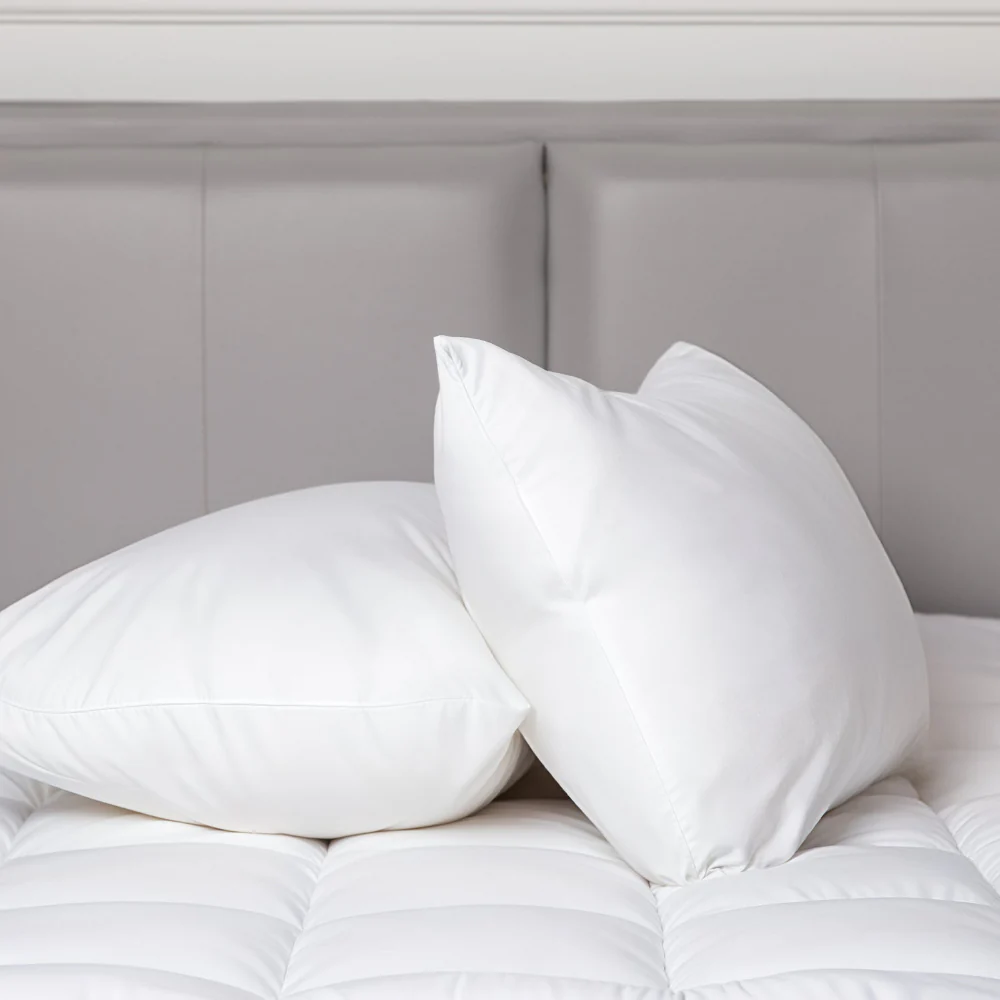
100% Cotton Pillow with 800g Microfibre Fill | 2 Pack
The Hacienda Cotton Pillow is a standard pillow with a 233 thread count 100% cotton cover and an 800g microfibre fill. Sold as a 2-pack.
Who it suits
A medium-feel pillow suited to most sleepers, with a soft cotton outer and a plump microfibre inner.
Features
- Dimensions: 50 × 75 cm (standard size)
- Cover: 233 thread count, 100% cotton
- Fill: 800g microfibre
- Knife edge construction with overlock interior seams
- Sold as a 2-pack
- Fits standard pillowcases
Set includes
- 2 × standard pillows, 50 × 75 cm
Care
- Gentle cycle wash
- Tumble dry on low heat
- Do not bleach, dry-clean, soak, or iron
Frequently asked
What does "233 thread count" mean?
Thread count is the number of threads woven into a square inch of fabric. A higher count generally indicates a finer, more tightly woven cover; 233 is a common count for cotton pillow covers.
What does the research actually say about pillows and dust mite allergens?
A few things worth knowing:
- Pillow allergen levels track the bedroom. Pillow allergen accumulation correlates with mattress and bedroom allergen levels — the surrounding environment matters more than any single product (Rains et al., 1999, Clinical & Experimental Allergy).
- Comprehensive bedroom control has been associated with improved outcomes; single interventions in isolation are less reliable. A 2024 meta-analysis found that combinations of pillow protectors, mattress protectors, quilt protectors, washing routines, humidity control, and air purification were associated with three times greater odds of patient-reported improvement in mite-sensitive participants (van Boven et al., 2024, World Allergy Organization Journal). An earlier 2008 Cochrane review found weaker evidence for any one measure on its own (Gøtzsche & Johansen, 2008).
- Hot-washing kills mites; cold-washing removes allergen. Australian research at the University of Sydney established that bedding washed at 55°C or hotter kills 100% of dust mites, and that even a cold wash removes more than 90% of the dust mite allergen (McDonald & Tovey, 1992, Journal of Allergy and Clinical Immunology).
I have dust mite sensitivities — what should I be thinking about?
The setup most supported by published research is comprehensive bedroom control rather than any single intervention:
- Encase the pillow in a tightly-woven, allergen-impermeable pillow protector
- Encase the mattress the same way — most allergen accumulation happens here, not in the pillow
- Encase the quilt as well, since the quilt sits over you for hours each night
- Hot-wash the protector and pillowcase at 55°C or hotter; cold-wash still removes most allergen if hot isn't possible
- Keep bedroom humidity below about 50% — dust mites struggle in drier air; an air-quality monitor lets you check
- Consider air purification — research suggests it can be a useful component of a bedroom control approach
- Replace the pillow every one to two years (Asthma and Allergy Foundation of America guidance)
This pillow is one component within that system — the pillow itself isn't the primary lever; the encasements, washing routines, and bedroom environment are doing most of the heavy lifting. For advice specific to your circumstances, your GP or allergy specialist is the right person to talk to. Browse our pillow protector range and best-selling allergy bedroom solutions.
General educational content. Not medical advice.
Product Information
Product Information
Shipping & Returns
Shipping & Returns
Description
The Hacienda Cotton Pillow is a standard pillow with a 233 thread count 100% cotton cover and an 800g microfibre fill. Sold as a 2-pack.
Who it suits
A medium-feel pillow suited to most sleepers, with a soft cotton outer and a plump microfibre inner.
Features
- Dimensions: 50 × 75 cm (standard size)
- Cover: 233 thread count, 100% cotton
- Fill: 800g microfibre
- Knife edge construction with overlock interior seams
- Sold as a 2-pack
- Fits standard pillowcases
Set includes
- 2 × standard pillows, 50 × 75 cm
Care
- Gentle cycle wash
- Tumble dry on low heat
- Do not bleach, dry-clean, soak, or iron
Frequently asked
What does "233 thread count" mean?
Thread count is the number of threads woven into a square inch of fabric. A higher count generally indicates a finer, more tightly woven cover; 233 is a common count for cotton pillow covers.
What does the research actually say about pillows and dust mite allergens?
A few things worth knowing:
- Pillow allergen levels track the bedroom. Pillow allergen accumulation correlates with mattress and bedroom allergen levels — the surrounding environment matters more than any single product (Rains et al., 1999, Clinical & Experimental Allergy).
- Comprehensive bedroom control has been associated with improved outcomes; single interventions in isolation are less reliable. A 2024 meta-analysis found that combinations of pillow protectors, mattress protectors, quilt protectors, washing routines, humidity control, and air purification were associated with three times greater odds of patient-reported improvement in mite-sensitive participants (van Boven et al., 2024, World Allergy Organization Journal). An earlier 2008 Cochrane review found weaker evidence for any one measure on its own (Gøtzsche & Johansen, 2008).
- Hot-washing kills mites; cold-washing removes allergen. Australian research at the University of Sydney established that bedding washed at 55°C or hotter kills 100% of dust mites, and that even a cold wash removes more than 90% of the dust mite allergen (McDonald & Tovey, 1992, Journal of Allergy and Clinical Immunology).
I have dust mite sensitivities — what should I be thinking about?
The setup most supported by published research is comprehensive bedroom control rather than any single intervention:
- Encase the pillow in a tightly-woven, allergen-impermeable pillow protector
- Encase the mattress the same way — most allergen accumulation happens here, not in the pillow
- Encase the quilt as well, since the quilt sits over you for hours each night
- Hot-wash the protector and pillowcase at 55°C or hotter; cold-wash still removes most allergen if hot isn't possible
- Keep bedroom humidity below about 50% — dust mites struggle in drier air; an air-quality monitor lets you check
- Consider air purification — research suggests it can be a useful component of a bedroom control approach
- Replace the pillow every one to two years (Asthma and Allergy Foundation of America guidance)
This pillow is one component within that system — the pillow itself isn't the primary lever; the encasements, washing routines, and bedroom environment are doing most of the heavy lifting. For advice specific to your circumstances, your GP or allergy specialist is the right person to talk to. Browse our pillow protector range and best-selling allergy bedroom solutions.
General educational content. Not medical advice.