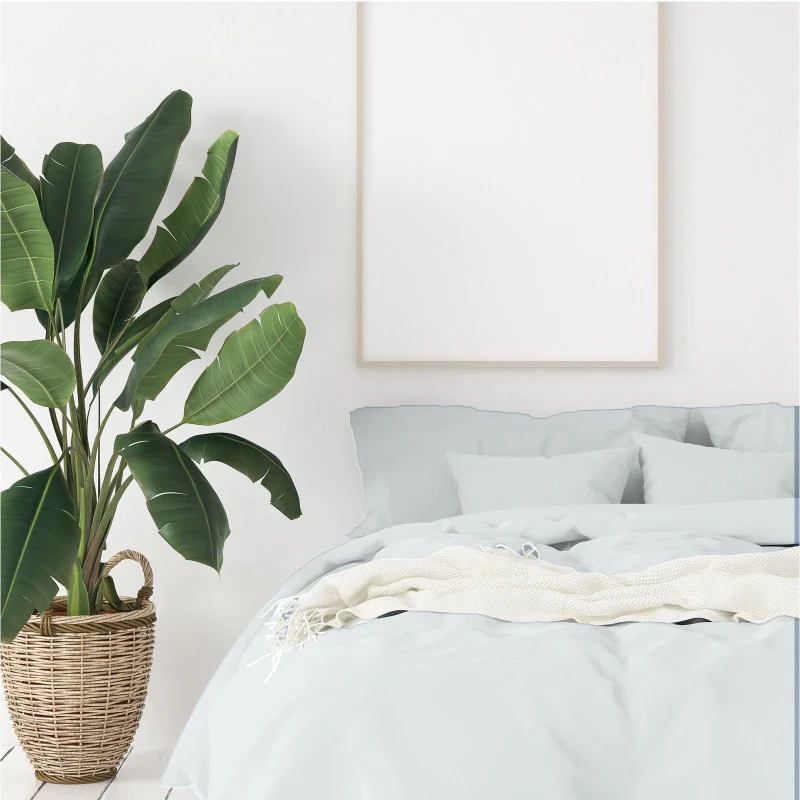
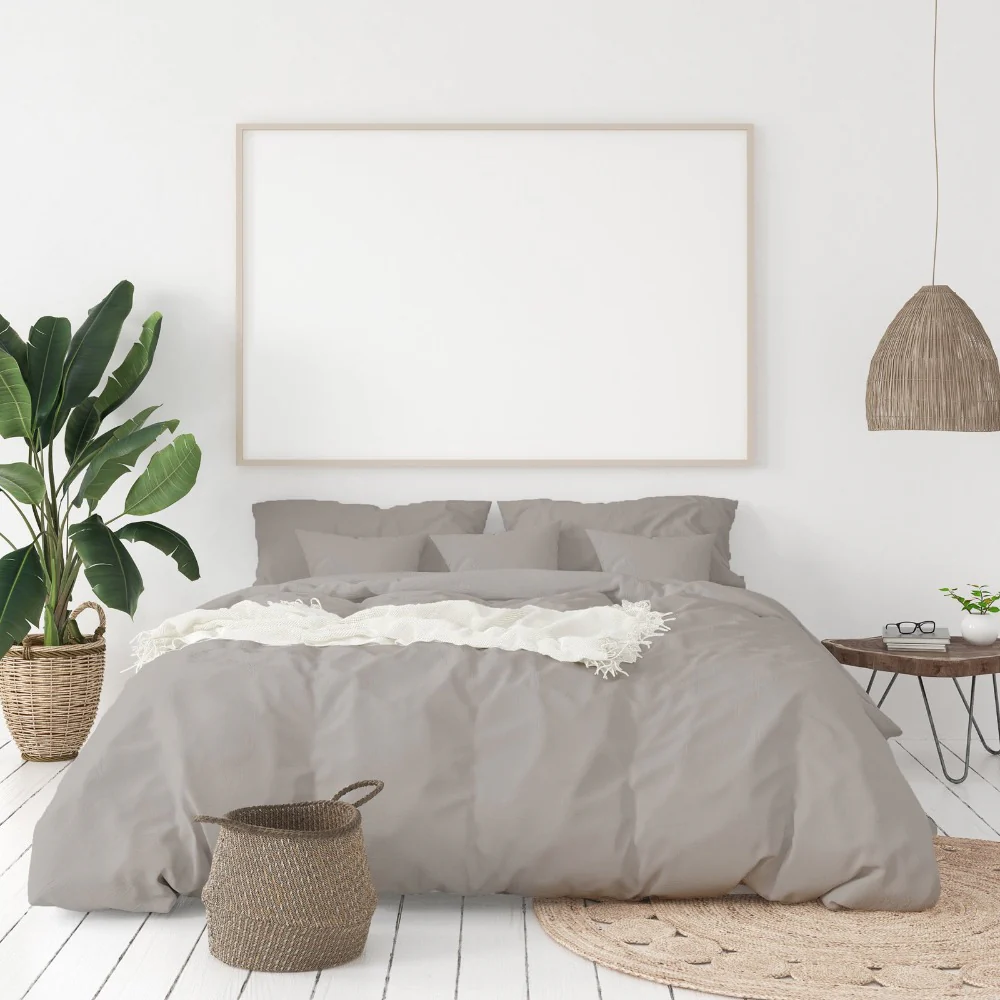
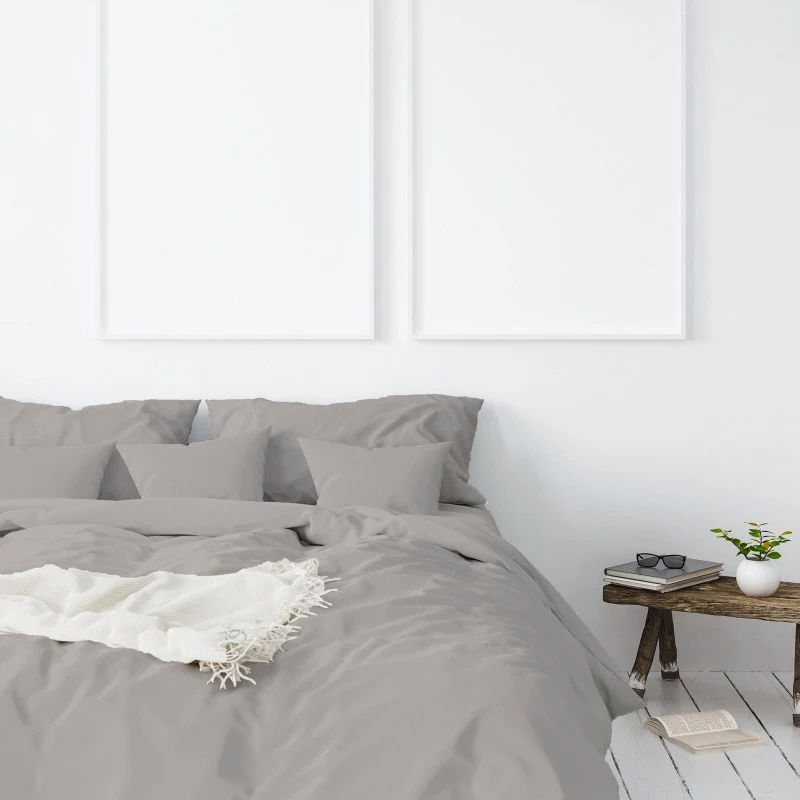
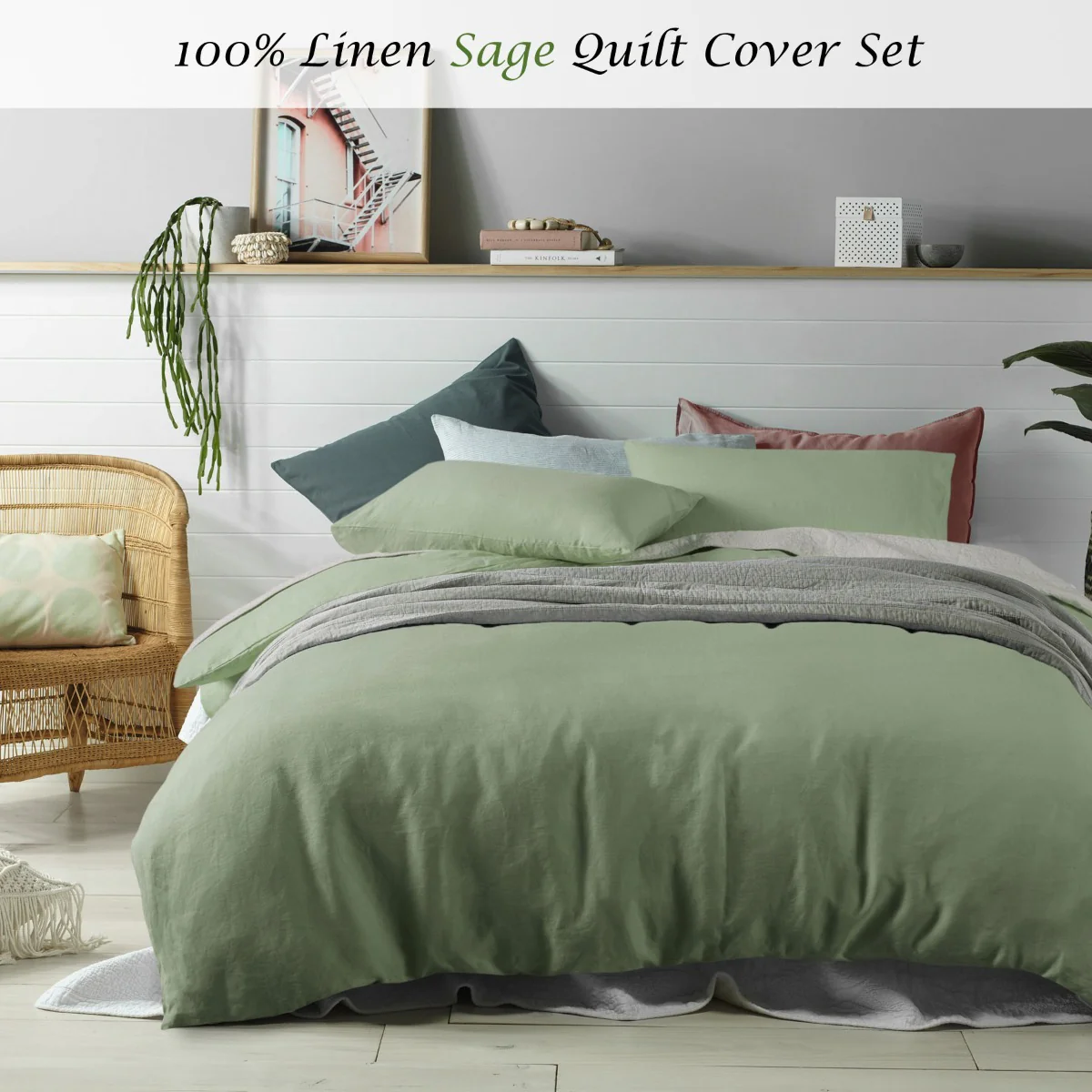
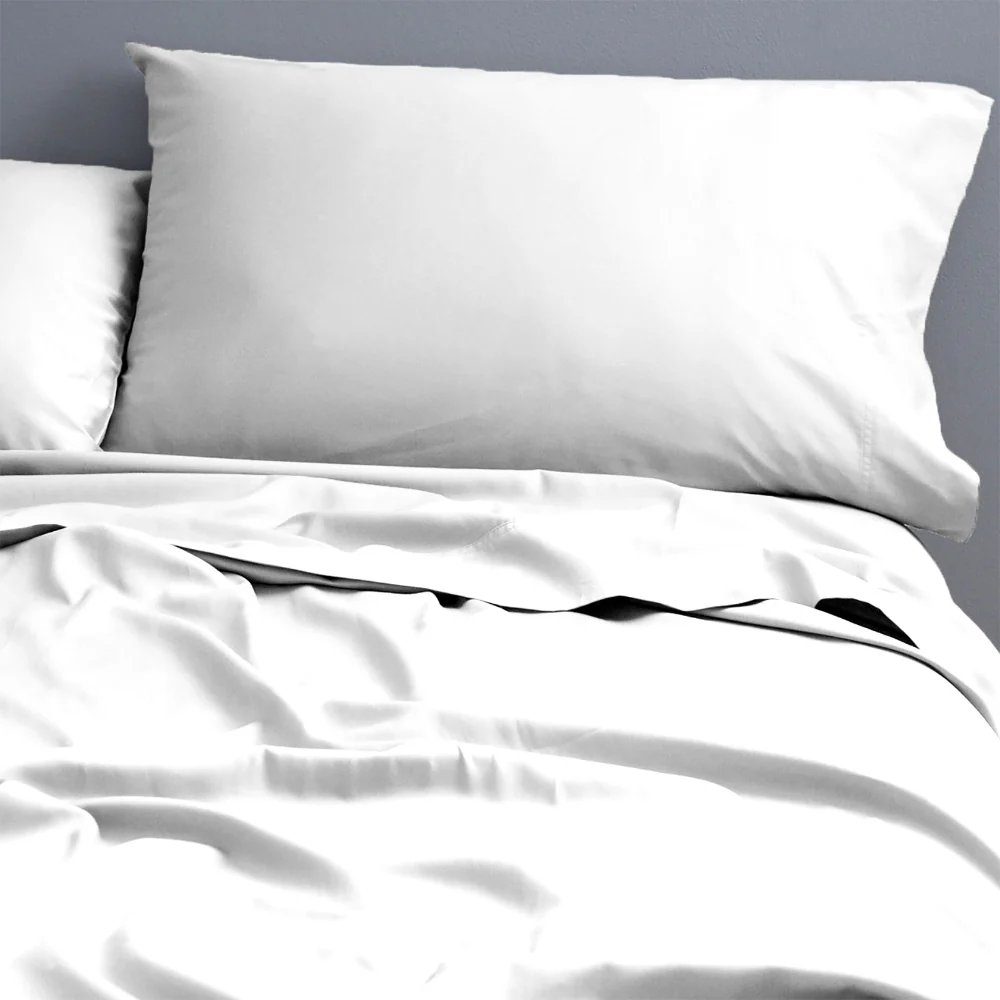
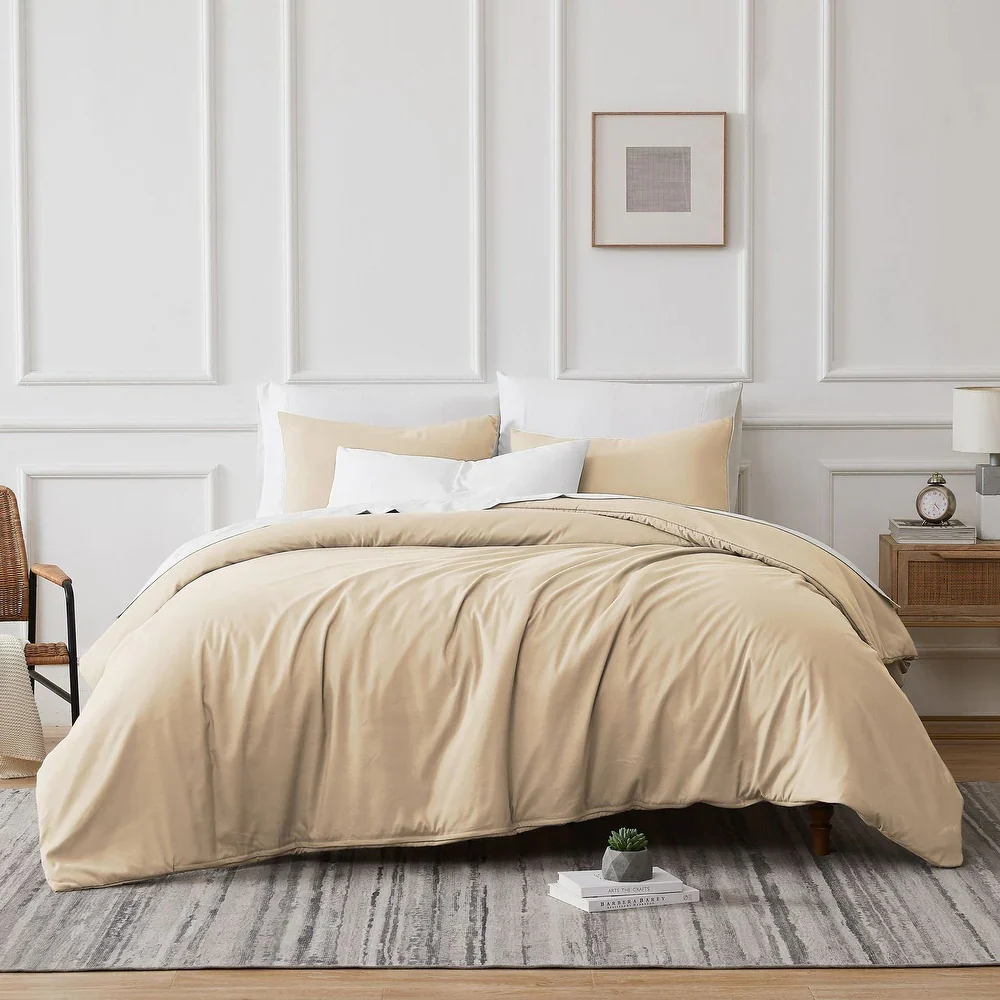
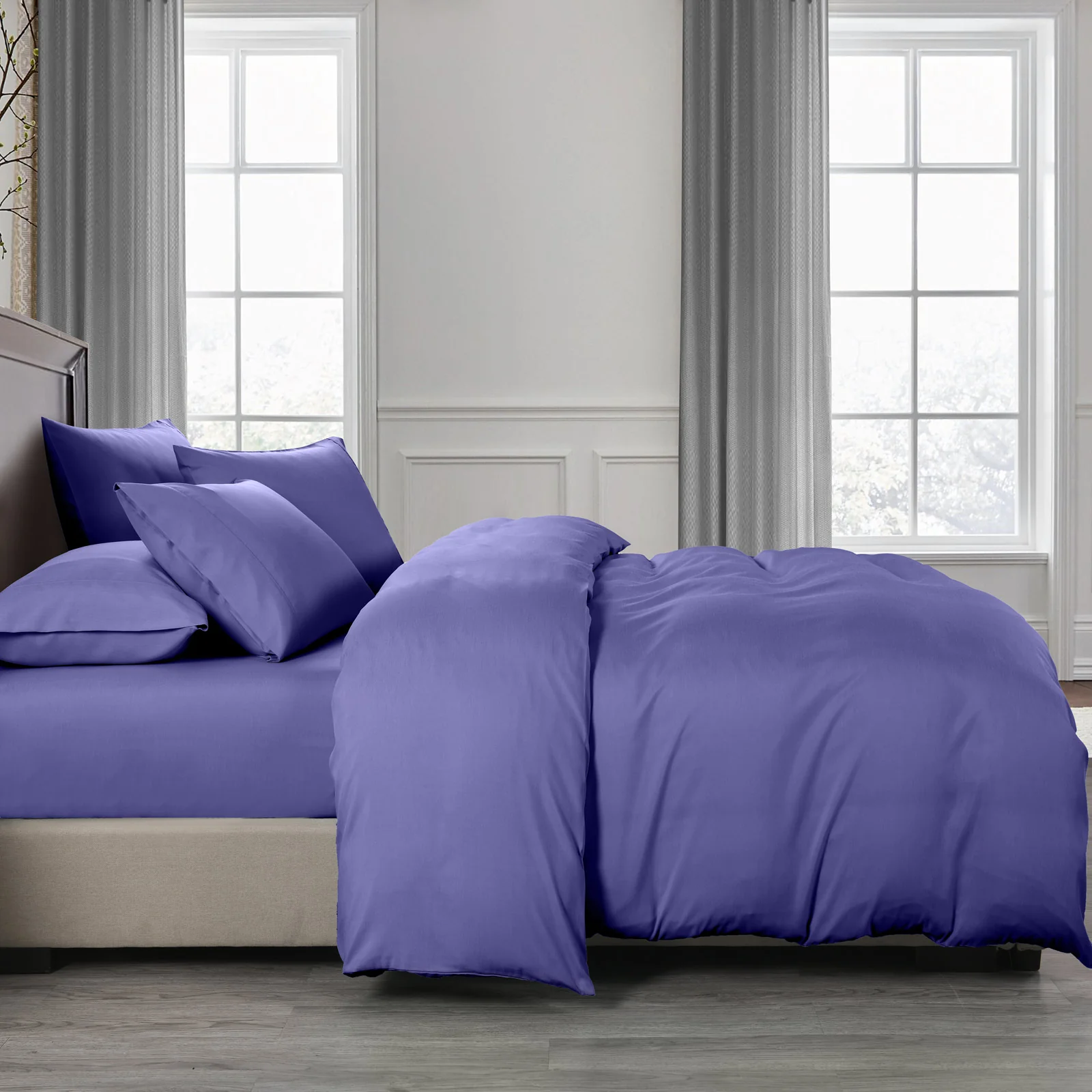
Royal Comfort | Bamboo Cooling Quilt Cover Set | 2000TC | Queen | Royal Blue
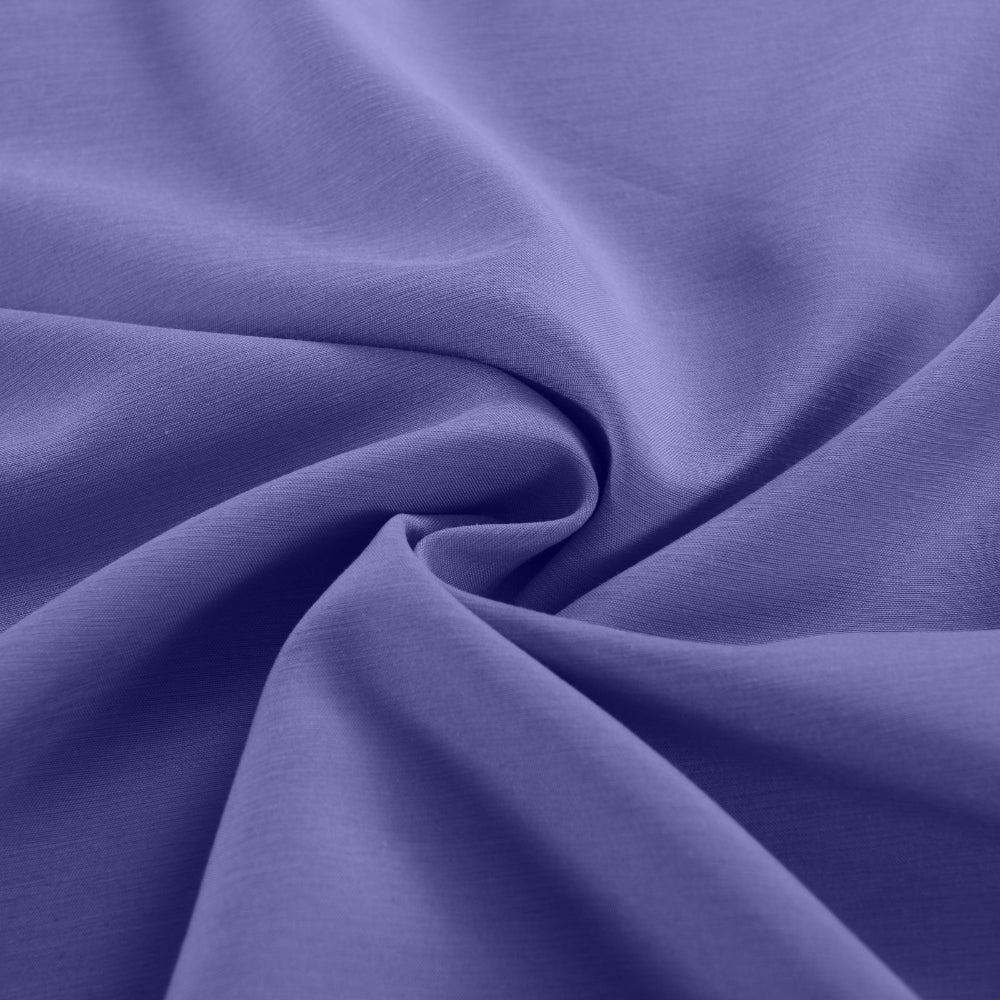
A 30% bamboo, 70% microfibre quilt cover set from Royal Comfort's 2000TC Bamboo Cooling range. The microfibre component gives the fabric its smooth, silky texture; the bamboo component contributes breathability and moisture-wicking properties. Royal Comfort describes this fabric as hypoallergenic and resistant to allergens, moisture, and odours. This listing is the Royal Blue colourway, Queen. The set includes one quilt cover (210×210cm) and two pillowcases (48×74cm).
Features
- Royal Comfort 2000TC Bamboo Cooling range
- 30% bamboo, 70% microfibre
- 2000 thread count
- Silky smooth texture
- Breathable and moisture-wicking
- Thermo-regulating
- Royal Comfort describes this fabric as hypoallergenic and resistant to allergens, moisture, and odours
Specifications
- Brand: Royal Comfort
- Colourway: Royal Blue
- Size: Queen
- Set includes: 1× quilt cover (210×210cm), 2× pillowcases (48×74cm)
- SKU: V160-10001250
Care
- Refer to care label for temperature before first use
Frequently asked
Is this quilt cover set hypoallergenic?
Royal Comfort describes this fabric as hypoallergenic and resistant to allergens, moisture, and odours. Hypoallergenic isn't a regulated term in Australia, so it doesn't carry a guaranteed standard across products. For a confirmed allergen barrier, a purpose-made encasement placed between the quilt and this cover is the more reliable option — the cover itself is not a barrier product.
Is this bamboo or microfibre?
Both. The fabric is a blend of 30% bamboo and 70% microfibre. The microfibre component is a synthetic polyester-based material — it's what gives the fabric its smooth, silky weight and feel. The bamboo component contributes breathability and moisture management. It's worth knowing the distinction because "bamboo" and "microfibre" are quite different materials; this range sits closer to the microfibre end of the spectrum.
What does the research say about bedding and dust mite allergens?
A few things worth knowing:
- Allergen levels track the bedroom, not the fabric. Allergen accumulation in bedding correlates with overall bedroom allergen levels — the surrounding environment matters more than any single product (Rains et al., 1999, Clinical & Experimental Allergy).
- Comprehensive bedroom control has been associated with improved outcomes; single interventions in isolation are less reliable. A 2024 meta-analysis found that combinations of mattress protectors, pillow protectors, quilt protectors, washing routines, humidity control, and air purification were associated with three times greater odds of patient-reported improvement in mite-sensitive participants (van Boven et al., 2024, World Allergy Organization Journal). An earlier 2008 Cochrane review found weaker evidence for any one measure on its own (Gøtzsche & Johansen, 2008).
- Regular washing reduces allergen load. Australian research at the University of Sydney found that washing at 55°C or hotter kills 100% of dust mites, and that even a cold wash removes more than 90% of dust mite allergen from bedding (McDonald & Tovey, 1992, Journal of Allergy and Clinical Immunology). Check your care label for the recommended wash temperature before washing at high heat.
Should I use a quilt protector over this?
Yes, if dust mite allergen is a concern. A tightly-woven encasement placed between the quilt and this cover creates a physical barrier that prevents allergen from the quilt reaching you while you sleep. The quilt cover itself is not a barrier product — it's a cover for style and comfort. Browse our dust mite quilt and doona protector range.
I have a dust mite allergy — what's the most important bedding step?
The setup most supported by published research is comprehensive bedroom control:
- Encase the mattress first — this is where the highest allergen load accumulates
- Encase the pillow — your face is in contact with this for hours each night
- Encase the quilt — the quilt drapes directly over you
- Wash encasements and pillowcases regularly — at 55°C to kill mites, or cold wash to remove allergen if hot isn't possible
- Keep bedroom humidity below ~50% — dust mites struggle in drier air
- Consider air purification
This quilt cover is one component of a comfortable bedroom setup — the encasements and washing routine are doing the allergy management work. For advice specific to your situation, your GP or allergy specialist is the right person to speak to.
General educational content. Not medical advice.
Original: $62.29
-65%$62.29
$21.80More Images
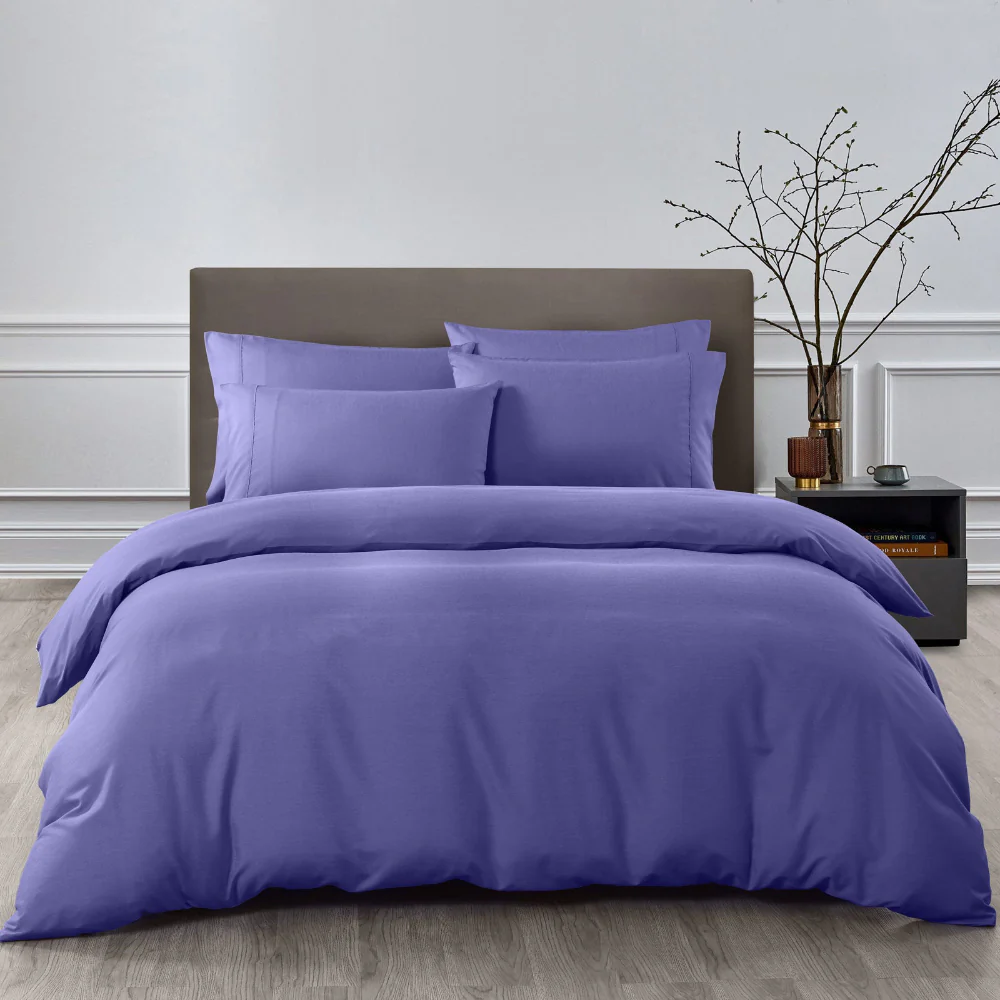
Royal Comfort | Bamboo Cooling Quilt Cover Set | 2000TC | Queen | Royal Blue
A 30% bamboo, 70% microfibre quilt cover set from Royal Comfort's 2000TC Bamboo Cooling range. The microfibre component gives the fabric its smooth, silky texture; the bamboo component contributes breathability and moisture-wicking properties. Royal Comfort describes this fabric as hypoallergenic and resistant to allergens, moisture, and odours. This listing is the Royal Blue colourway, Queen. The set includes one quilt cover (210×210cm) and two pillowcases (48×74cm).
Features
- Royal Comfort 2000TC Bamboo Cooling range
- 30% bamboo, 70% microfibre
- 2000 thread count
- Silky smooth texture
- Breathable and moisture-wicking
- Thermo-regulating
- Royal Comfort describes this fabric as hypoallergenic and resistant to allergens, moisture, and odours
Specifications
- Brand: Royal Comfort
- Colourway: Royal Blue
- Size: Queen
- Set includes: 1× quilt cover (210×210cm), 2× pillowcases (48×74cm)
- SKU: V160-10001250
Care
- Refer to care label for temperature before first use
Frequently asked
Is this quilt cover set hypoallergenic?
Royal Comfort describes this fabric as hypoallergenic and resistant to allergens, moisture, and odours. Hypoallergenic isn't a regulated term in Australia, so it doesn't carry a guaranteed standard across products. For a confirmed allergen barrier, a purpose-made encasement placed between the quilt and this cover is the more reliable option — the cover itself is not a barrier product.
Is this bamboo or microfibre?
Both. The fabric is a blend of 30% bamboo and 70% microfibre. The microfibre component is a synthetic polyester-based material — it's what gives the fabric its smooth, silky weight and feel. The bamboo component contributes breathability and moisture management. It's worth knowing the distinction because "bamboo" and "microfibre" are quite different materials; this range sits closer to the microfibre end of the spectrum.
What does the research say about bedding and dust mite allergens?
A few things worth knowing:
- Allergen levels track the bedroom, not the fabric. Allergen accumulation in bedding correlates with overall bedroom allergen levels — the surrounding environment matters more than any single product (Rains et al., 1999, Clinical & Experimental Allergy).
- Comprehensive bedroom control has been associated with improved outcomes; single interventions in isolation are less reliable. A 2024 meta-analysis found that combinations of mattress protectors, pillow protectors, quilt protectors, washing routines, humidity control, and air purification were associated with three times greater odds of patient-reported improvement in mite-sensitive participants (van Boven et al., 2024, World Allergy Organization Journal). An earlier 2008 Cochrane review found weaker evidence for any one measure on its own (Gøtzsche & Johansen, 2008).
- Regular washing reduces allergen load. Australian research at the University of Sydney found that washing at 55°C or hotter kills 100% of dust mites, and that even a cold wash removes more than 90% of dust mite allergen from bedding (McDonald & Tovey, 1992, Journal of Allergy and Clinical Immunology). Check your care label for the recommended wash temperature before washing at high heat.
Should I use a quilt protector over this?
Yes, if dust mite allergen is a concern. A tightly-woven encasement placed between the quilt and this cover creates a physical barrier that prevents allergen from the quilt reaching you while you sleep. The quilt cover itself is not a barrier product — it's a cover for style and comfort. Browse our dust mite quilt and doona protector range.
I have a dust mite allergy — what's the most important bedding step?
The setup most supported by published research is comprehensive bedroom control:
- Encase the mattress first — this is where the highest allergen load accumulates
- Encase the pillow — your face is in contact with this for hours each night
- Encase the quilt — the quilt drapes directly over you
- Wash encasements and pillowcases regularly — at 55°C to kill mites, or cold wash to remove allergen if hot isn't possible
- Keep bedroom humidity below ~50% — dust mites struggle in drier air
- Consider air purification
This quilt cover is one component of a comfortable bedroom setup — the encasements and washing routine are doing the allergy management work. For advice specific to your situation, your GP or allergy specialist is the right person to speak to.
General educational content. Not medical advice.
Product Information
Product Information
Shipping & Returns
Shipping & Returns
Description
A 30% bamboo, 70% microfibre quilt cover set from Royal Comfort's 2000TC Bamboo Cooling range. The microfibre component gives the fabric its smooth, silky texture; the bamboo component contributes breathability and moisture-wicking properties. Royal Comfort describes this fabric as hypoallergenic and resistant to allergens, moisture, and odours. This listing is the Royal Blue colourway, Queen. The set includes one quilt cover (210×210cm) and two pillowcases (48×74cm).
Features
- Royal Comfort 2000TC Bamboo Cooling range
- 30% bamboo, 70% microfibre
- 2000 thread count
- Silky smooth texture
- Breathable and moisture-wicking
- Thermo-regulating
- Royal Comfort describes this fabric as hypoallergenic and resistant to allergens, moisture, and odours
Specifications
- Brand: Royal Comfort
- Colourway: Royal Blue
- Size: Queen
- Set includes: 1× quilt cover (210×210cm), 2× pillowcases (48×74cm)
- SKU: V160-10001250
Care
- Refer to care label for temperature before first use
Frequently asked
Is this quilt cover set hypoallergenic?
Royal Comfort describes this fabric as hypoallergenic and resistant to allergens, moisture, and odours. Hypoallergenic isn't a regulated term in Australia, so it doesn't carry a guaranteed standard across products. For a confirmed allergen barrier, a purpose-made encasement placed between the quilt and this cover is the more reliable option — the cover itself is not a barrier product.
Is this bamboo or microfibre?
Both. The fabric is a blend of 30% bamboo and 70% microfibre. The microfibre component is a synthetic polyester-based material — it's what gives the fabric its smooth, silky weight and feel. The bamboo component contributes breathability and moisture management. It's worth knowing the distinction because "bamboo" and "microfibre" are quite different materials; this range sits closer to the microfibre end of the spectrum.
What does the research say about bedding and dust mite allergens?
A few things worth knowing:
- Allergen levels track the bedroom, not the fabric. Allergen accumulation in bedding correlates with overall bedroom allergen levels — the surrounding environment matters more than any single product (Rains et al., 1999, Clinical & Experimental Allergy).
- Comprehensive bedroom control has been associated with improved outcomes; single interventions in isolation are less reliable. A 2024 meta-analysis found that combinations of mattress protectors, pillow protectors, quilt protectors, washing routines, humidity control, and air purification were associated with three times greater odds of patient-reported improvement in mite-sensitive participants (van Boven et al., 2024, World Allergy Organization Journal). An earlier 2008 Cochrane review found weaker evidence for any one measure on its own (Gøtzsche & Johansen, 2008).
- Regular washing reduces allergen load. Australian research at the University of Sydney found that washing at 55°C or hotter kills 100% of dust mites, and that even a cold wash removes more than 90% of dust mite allergen from bedding (McDonald & Tovey, 1992, Journal of Allergy and Clinical Immunology). Check your care label for the recommended wash temperature before washing at high heat.
Should I use a quilt protector over this?
Yes, if dust mite allergen is a concern. A tightly-woven encasement placed between the quilt and this cover creates a physical barrier that prevents allergen from the quilt reaching you while you sleep. The quilt cover itself is not a barrier product — it's a cover for style and comfort. Browse our dust mite quilt and doona protector range.
I have a dust mite allergy — what's the most important bedding step?
The setup most supported by published research is comprehensive bedroom control:
- Encase the mattress first — this is where the highest allergen load accumulates
- Encase the pillow — your face is in contact with this for hours each night
- Encase the quilt — the quilt drapes directly over you
- Wash encasements and pillowcases regularly — at 55°C to kill mites, or cold wash to remove allergen if hot isn't possible
- Keep bedroom humidity below ~50% — dust mites struggle in drier air
- Consider air purification
This quilt cover is one component of a comfortable bedroom setup — the encasements and washing routine are doing the allergy management work. For advice specific to your situation, your GP or allergy specialist is the right person to speak to.
General educational content. Not medical advice.